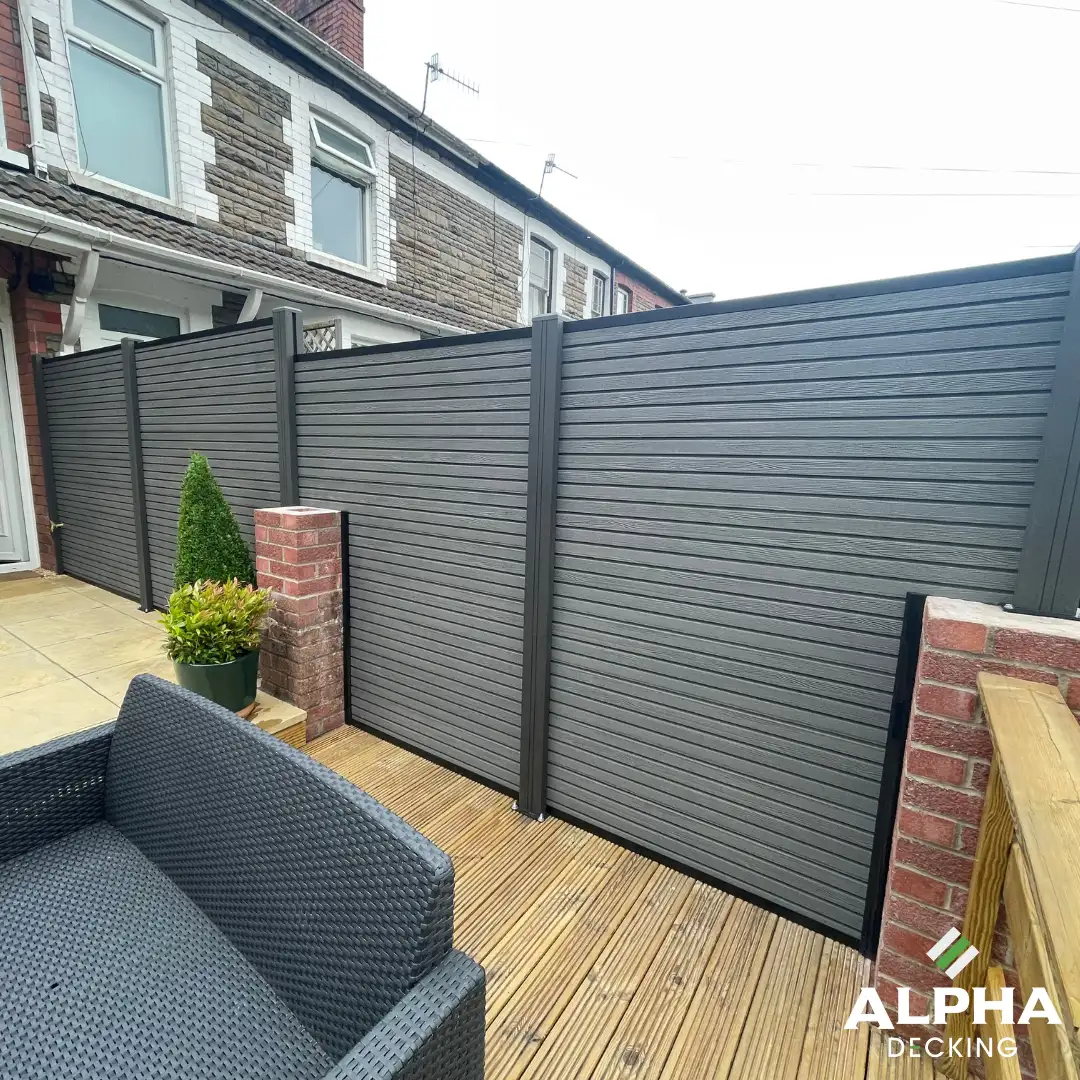
When planning a composite fencing installation, most attention usually goes to the panels themselves. But in reality, the long-term performance, stability, and overall finish of your fence depend heavily on the right fence accessories.
Composite fencing is designed as a complete system, meaning every component works together—from posts and rails to caps and fixings. Choosing the correct composite accessories ensures your fence not only looks consistent but also performs well in all weather conditions.
This guide explains exactly what you actually need for a complete installation, helping you understand how modern composite fencing kits are built and what each part contributes to the finished system.
Unlike traditional timber fencing, composite systems rely on precision-engineered components that fit together as a complete structure. Each part has a functional role in ensuring strength, alignment, and durability.
Well-designed fencing accessories help create a fence that is more stable, easier to install, and better protected against the elements. They also contribute to the clean, modern finish that makes composite fencing such a popular choice for residential gardens.
Without the correct supporting components, even high-quality panels may not perform as intended over time.
A complete installation typically involves more than just panels. Most composite fencing kits are made up of several key elements that work together to form a full boundary system.
The panels or slats form the visible structure of the fence, defining both privacy and style. These are designed to interlock tightly, creating a seamless appearance that reduces gaps and improves overall screening.
To support these panels, posts are required. Depending on the installation, homeowners can choose between composite posts, aluminium posts, or existing concrete posts using compatible inserts. Each option provides a different balance of aesthetics, strength, and installation flexibility.
Post caps are another important element. While small in size, they complete the look of the fence and help protect the posts from water ingress over time. They also ensure a more polished and consistent finish across the entire installation.
Structural stability is one of the most important considerations in any fencing project. This is where key composite accessories such as rails and post systems come into play.
Aluminium top and bottom rails are often used to help maintain alignment and improve overall strength. They are particularly useful in longer fence runs or areas exposed to higher wind levels, where structural support becomes more important.
For homeowners working with existing concrete posts, U-channel inserts allow composite panels to be retrofitted without replacing the full post system. This makes upgrades more cost-effective while still achieving a modern composite finish.
These structural components are often the difference between a standard installation and a professionally finished, long-lasting fencing system.
One of the main reasons homeowners choose composite systems is for improved privacy and a cleaner garden boundary.
A properly installed system using complete composite fencing kits creates a solid visual barrier that reduces gaps and improves screening. This makes them ideal for gardens that are overlooked or exposed.
Because the panels are designed to work with matched accessories, the overall system feels more unified compared to traditional timber fencing. This consistency contributes to both appearance and durability, especially in taller installations such as 6ft fencing boundaries.
It is easy to assume that fencing performance is mainly determined by the panels, but in practice, fence accessories play an equally important role.
They influence how the fence behaves over time, especially under changing weather conditions. Correctly matched components help prevent movement, improve stability, and reduce maintenance requirements in the long term.
They also ensure the installation remains visually consistent. Mismatched or low-quality accessories can impact the overall appearance of the fence, even if the panels themselves are high quality.
For this reason, composite systems are designed to be installed as complete sets rather than mixed components from different sources.
One of the strengths of modern composite systems is their installation flexibility. A range of composite accessories allows installers to adapt the system to different garden layouts and existing structures.
Fence post standing bases, for example, allow posts to be securely fixed onto solid surfaces such as concrete or decking. This is particularly useful in landscaped gardens where traditional ground installation is not always possible.
Silicone adhesives and fixings are also used to help secure components and improve weather resistance at key connection points. While small in scale, these materials contribute to the overall durability of the system.
Trellis toppers offer another layer of flexibility, allowing homeowners to adjust fence height or add decorative detail without compromising the main structure.
Unlike traditional timber fencing, where components are often mixed and matched from different suppliers, composite fencing is designed as an integrated system.
This system-based approach ensures all fence accessories are compatible, which reduces installation issues and improves long-term performance.
It also simplifies the buying process, as homeowners can select from complete composite fencing kits knowing that each part has been designed to work together.
This consistency is one of the key reasons composite fencing continues to grow in popularity across modern residential landscaping projects.
When the correct fencing accessories are used, the benefits extend beyond installation convenience. Using a full system of compatible components ensures better performance and a cleaner finish. A complete composite fencing kit typically offers:
Because all components are designed to work together, installers can achieve a professional finish with fewer adjustments on site.
A successful fencing project is never just about the panels. The long-term performance of any installation depends on selecting the right combination of posts, fixings, rails, and finishing components.
By understanding the role of composite accessories and choosing complete composite fencing kits, homeowners can achieve a stronger, more consistent, and more visually refined result.
Whether upgrading an existing boundary or planning a new garden installation, investing in the correct system components ensures your fencing performs as intended—both structurally and visually—for years to come.


.svg)
